
자원봉사활동 신청
페이지 정보
작성자 Doreen 작성일23-12-10 19:51 조회5회 댓글0건본문
자원봉사 신청서(온라인)
| Doreen | ||||||||||||
| QI 양력 | ||||||||||||
| Installations Electrical Installations electrical include all the wiring and equipment installed to power electrical systems in buildings. These range from basic residential installations to more complex industrial and commercial projects. installing a new electricity meter wiring systems is a complicated process that requires knowledge of various factors like the power requirements, building layout and structure, as well as environmental conditions. 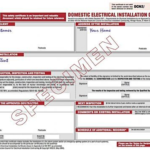 Design DesignDesign is the process of solving problems that are related to electrical systems. It can be as simple and easy as connecting two lightbulbs to a flashlight with two wires, or as complex as designing the Space Shuttle. In the case of an electrical installation, designers must consider a variety of factors to ensure that the system safe and effective. This includes making sure that the system is in compliance with all codes and regulations. The designer should also ensure that the system will last for an extended time and is robust. The first step in the electrical design process is to prepare an specification document. The document is written in plain English and outlines the specifications of the client. Next, create functional specifications (design). This document will provide more technical details and also calculations to help with design decisions. This section also includes an operational flow diagram that illustrates how power flows through the various parts of the system. This block diagram is comparable to block diagrams created by computer programs. Another major consideration is compliance with the national regulations. This is an important aspect of electrical design since it will prevent accidents from occurring. It can also guarantee safety throughout the installation. One way to ensure that you are in compliance of national laws is to color code conductors. This allows you to quickly identify which wires are not rounded or "hot". It also reduces the risk of a worker getting injured by an ungrounded wire. Despite this, the color of wires can change with heat, age, sunlight, and ageing. A defective electrical system can result in costly and dangerous repairs. The electrical design of a commercial or residential structure usually involves complex wiring that must be able to meet certain requirements. This requires a high level of attention to detail as well as respect for international and national codes and regulations. It can be difficult to find the perfect balance between useful, informative designs and easy-to-understand for customers. However, when 3D models are used during the design process they can help fill in the gaps and make designs more accessible to a wider audience. It can also help designers save time, money, and headaches. Conduits and Fittings Conduit fittings and systems protect cables, wires and other conductors from environmental damage and unauthorized entry. They also make it easy to change connections and to isolate circuits in potentially hazardous locations. While electrical installations and maintenance conduits are generally made of metal however, they can also be found in plastic or other materials. Each type is used in different applications and may require special fittings. Rigid metallic conduit (RMC) is the most common kind of conduit, but flexible conduits are also available. It is typically made of galvanized steel or with a rust-resistant coating, and can be used in indoors as well as outdoors. It is available in an extensive range of diameters . It is threadable, although it can be threaded and used with clamp-type fittings. It can also be made of PVC which is lightweight and suitable for install outdoor socket use. Their weight is affected by the thickness of their walls as well as their mechanical stiffness. Conduits with walls that are thinner are typically more flexible than those with walls that are thicker. EMT, or "electrical metallic tubing" is a thin-walled metallic conduit that is often utilized indoors to help save space. It is light it bends easily and can be positioned under floors or behind walls, however it is not UL-approved to be used in locations that are exposed. Non-metallic conduits weigh less than EMTs, and they can be made of PVC or fiberglass. They are usually less expensive than EMTs, and they can be welded or cut according to the lengths you require. For installations in a moist environment, you may need to think about liquid-tight conduits. They are made to withstand water and can be sealed with sealants, fiber fillers or anti-oxidant compounds. Pre-fabricated bends or elbows are an excellent way to save time and money as well as labor when changing the direction of the conduit. These bends and elbows are also known as factory bends. They come in a variety of sizes and curvatures. You can also make use of a combination of fittings to join two pieces of conduit or connect the ends of conduit to an enclosure or device. To secure and hold conduits, use clips, clips, and clamps. Wiring Installations aren't complete without wiring. It should be installed correctly and safely in order to ensure that the power is not interrupted. It is crucial to select the right kind of wire and cable. The dimensions of the cable and wire must be compatible with the voltage of the circuit, current and environmental conditions. The National Electrical Code (NEC) and local building codes dictate the kinds of cables and wires that can be used in the specific electrical application. Copper wire is the most popular kind of residential wiring. It can handle more current and is approved for voltage. The insulation protects it from shock and fire. Older homes may have aluminum wire. This wire is more conductive that copper, however it has less power rating. It degrades quicker and should be installed only by a professional electrician. Wires in homes typically connect to outlets and switches and can also be connected to cooling or heating equipment. If this wiring is not done properly, it could result in an explosion or a fire. Conduit wiring, which entails running pipes through a wall or ceiling to connect devices, is another well-known wiring method. There are two types of conduit wiring systems: concealed and surface. The primary distinction between these systems is the fact that surface wiring is usually utilized for industrial applications and concealment wiring is typically used in residential environments. In most situations electrical wires must be calibrated for voltage and current capabilities, and be wrapped in insulation to protect them from damage caused by sunlight, moisture or other environmental factors. These sheathings are made of diverse materials, including polyvinyl chloride and stainless steel. Other materials that can be utilized in electrical wiring include wire-clad aluminum that is a mix of copper and aluminum. This material is more capacious than copper, but it isn't in line with NEC standards. It can be difficult to understand the differences between cables and electrical wires. However, knowing how they function will help you select the appropriate one for your project. By understanding these different kinds of electrical wires you can ensure that the electrical power in your home will be safe and reliable. Testing Security of buildings and Electricity Meter Installation people is crucial for both buildings and individuals. It is necessary to ensure that the installation is in compliance with the standards of BS7671 and is safe to use. Every electrical electricity meter domestic installation (aut.Co.kr) is susceptible to deterioration over time. It is essential to regularly check them to make sure they are in good working order to ensure their continued use. These tests are designed for identifying any problems or dangers that need to be addressed. You can test using various instruments, including ground fault detectors and insulation resistance testers. To verify the conformity to BS7671 standards the results are documented and reviewed by a licensed electrician. A continuity test may also be conducted to test the integrity of electrical system wires and connections. This test is typically conducted during commissioning and installation and routine maintenance. Some electrical systems are more complex than others, so it is essential to test thoroughly to ensure they function as intended. This includes checking for possible problems like overcurrents or undervoltage that could impact the operation of electrical systems within the building. The potential for problems that could result in injury or property damage could be identified by the testing process. This can be a useful method to avoid problems before they become too serious. In the United States, electric fires are a frequent cause of injuries and deaths, with over 45,000 reported incidents each year. These fires can be caused due to defective or old wiring, sockets, or appliances. These fires can also cause structural destruction to buildings and equipment which can be expensive to repair. It is essential to test regularly electrical equipment and systems to ensure any potential issues are taken care of before they cause damage. There are a variety of tests that can be conducted and the frequency at which they are required depends on the characteristics of the building. However, the majority of building managers and owners will have to have their electrical installation and maintenance systems tested at least once per year. |
||||||||||||
| 구분 | 교육사찰 | 교육기간 (기수) | 비고 | |||||||||
| 기본반 | ||||||||||||
| 교양과정 | ||||||||||||
| 불교대학 | ||||||||||||
| 불교대학원 | ||||||||||||
| 워드 ( ) 엑셀 ( ) 인터넷 고급 활용 ( ) 그래픽 디자인 ( ) | ||||||||||||
| 성악 ( ) POP ( ) 기악 ( ) | ||||||||||||
| 그리기 ( ) 만들기 ( ) 조립 ( ) | ||||||||||||
| 영어 ( ) 일어 ( ) 중국어 ( ) 기타 ( ) | ||||||||||||
| 문학 ( ) 특기사항 ( ) | ||||||||||||
| 구분 | 1지망(입재시 기록) | 2지망(교육 이수 후 기록) | 비고 | |||||||||
| 봉사영역 | ||||||||||||
| 봉사가능요일 | ||||||||||||
|
이와 같이 수강신청서를 제출합니다. 불기 2569 (2025)년 12 월 20 일 신 청 자 Doreen (인) |
||||||||||||


